
Design and Development Services for Growing Brands
Four service lines, and most clients need one of them first. Here is what each engagement covers, what it asks of your team, and which questions to settle before you start.
- Web design and build
- Mobile app development
- E-commerce development
- Graphic design
Platform fit
WordPress, Webflow, Shopify, WooCommerce, custom
Proposal shape
Scoped pages, timeline stages, itemised cost
What we test first
Contact, pricing and checkout pages on real devices
Start where the gap is, not where the brief sounds biggest
A new brand usually needs graphic design before it needs a build. A business with traffic and no enquiries usually needs web design work, not a new app. An established product business often needs an e-commerce rebuild before it needs a rebrand.
We work in Singapore with SMEs and growth-stage brands, so we have learned to ask about maintenance ownership early. Whoever edits the site six months from now shapes the platform decision more than the launch date does.
If you are unsure where your project belongs, read the e-commerce and platform notes further down this page. That is where most local teams get stuck choosing between a tool that fits the content and a tool that fits the checkout.
Web design and web development
A website project here means structure, design, and build. We start by mapping the pages that carry your business: home, services or products, proof, contact. Then we design responsive layouts and build them on a CMS your team can edit.
WordPress handles content depth and plugin flexibility. Webflow handles visual-first marketing sites where a marketer publishes without developer help. Both are mobile-first, which means the phone layout gets designed as a real layout rather than a squeezed desktop.
- Page and template mapping before design
- Responsive layouts and build on a CMS you edit
- Mobile-first pass on real devices not a resized browser

What a proposal includes
You should expect a scope document listing pages, templates, and any custom functionality, plus a timeline with named stages and an itemised cost. Copy, photography, and translation are usually separate line items. Ongoing maintenance and hosting support are quoted monthly.
If a proposal arrives as one lump figure with no breakdown, ask for the detail before signing. You are buying clarity as much as pixels, and a written breakdown is the cheapest thing you will ever request.
Inside a scoped proposal
- Pages and templates listed by name, with any custom functionality described in plain language.
- A timeline with named stages, so you can see what happens between kickoff and launch.
- Itemised cost, including copy, photography and translation as separate line items where they apply.
- Monthly maintenance and hosting support quoted separately, so the running cost is visible up front.
Ask for the breakdown before signing. A proposal without line items is a proposal you cannot compare against another quote.

Mobile app development
App work starts with a decision: internal tool or customer-facing product. Internal tools prioritise reliability and admin screens. Customer apps prioritise onboarding, speed, and what happens on a weak connection.
We scope the smallest shippable version, agree the first release, and build for iOS and Android. Notifications, login, and offline behaviour get settled early because they drive architecture. Apps ship in releases, so plan for a second phase rather than a single launch date.
E-commerce development
Storefronts get built around how your customers buy. Shopify suits product businesses that want hosting, checkout, and inventory handled without owning the plumbing. WooCommerce suits teams already running WordPress who want catalogue and orders next to their content. Custom e-commerce appears when pricing rules, approvals, or catalogues are unusual.
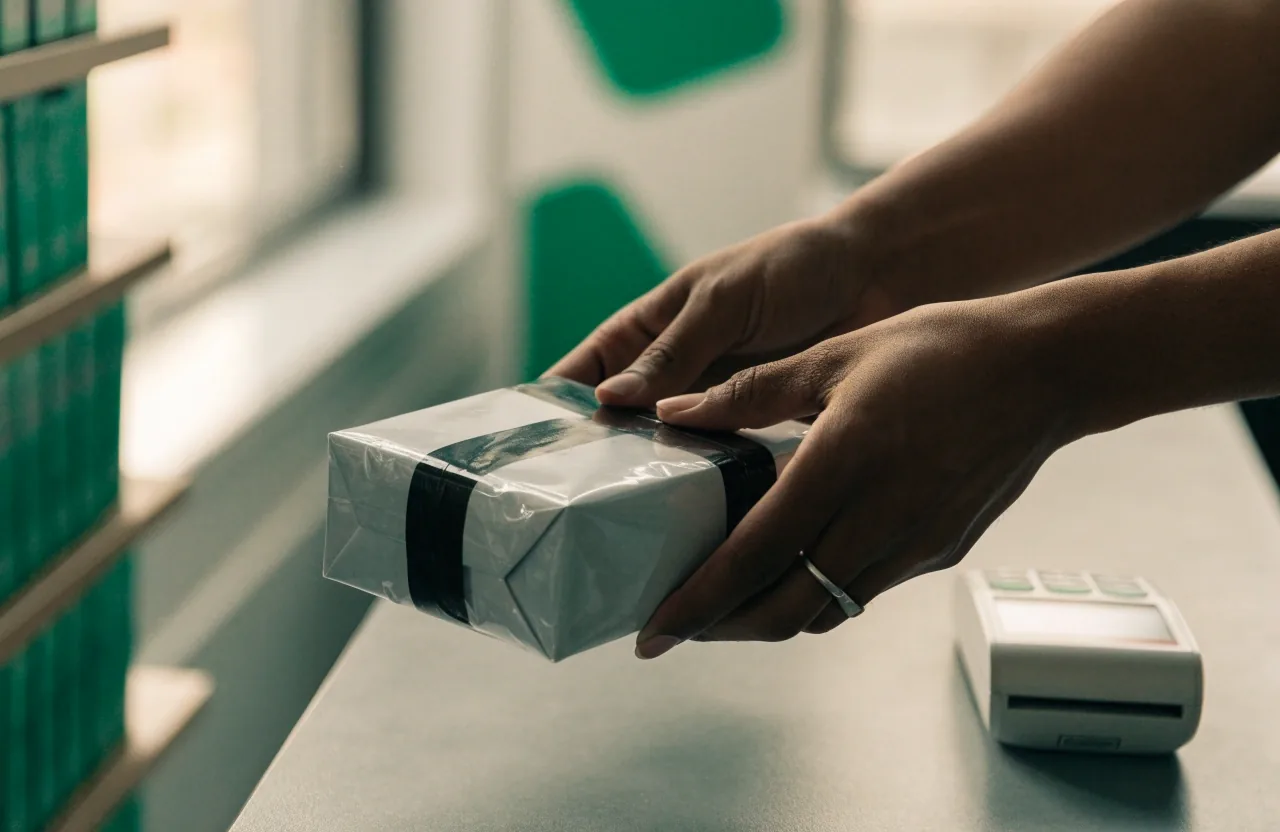
Fulfilment, shipping, and returns language gets written into the site so buyers know what to expect. Payment is settled by invoice or bank transfer, cash on delivery where offered, or card in person at pickup. We do not set up online card gateways.
Shopify
Product businesses that want hosting, checkout and inventory handled without owning the plumbing.
WooCommerce
Teams already on WordPress who want catalogue and orders sitting next to their content.
Custom e-commerce
Pricing rules, approval steps or catalogues that no off-the-shelf store handles cleanly.
How orders get paid
- Invoice or bank transfer, arranged with your team.
- Cash on delivery where your fulfilment allows it.
- Card in person at pickup.
We do not set up online card gateways, so the checkout you get matches how you can actually take money today.
Graphic design services
Brand and graphic work covers logo systems, typography and colour rules, packaging, decks, signage, and social templates your team will reuse. We apply a production test to everything: the logo must read at browser-tab size, the palette must survive a photocopy, the template must be editable by someone who is not a designer.
Design that only works in the presentation file is not done. That single test kills more fragile brand systems than any critique.

Reads at tab size
The mark has to work where most visitors meet it first.
Survives a photocopy
Colour rules that hold on print, fax and phone screens.
Editable by non-designers
Your team keeps posting after the handover, without us.
Choosing between WordPress, Shopify, Webflow, and custom
The platform choice follows your content and who maintains it, not the launch date. A WordPress specialist may serve you better than a generalist if your site is content-led. If your website is one channel in a wider acquisition plan, an agency with marketing under the same roof will structure it around campaigns.
WordPress
Content depth, blogging and plugin flexibility. Strong when a team publishes often.
Shopify
Stores that want the commerce plumbing managed rather than owned.
Webflow
Visual marketing sites where publishing speed matters more than plugins.
Custom
When your workflow is the product and no platform models it cleanly.
Pick the platform whose editing model matches the person who will actually update the site. Everything else is a detail you can change later.
Responsive design as a working standard
Responsive is not a checkbox on a proposal. It means deciding what a visitor sees first on a phone, how tables behave on a narrow screen, and how a long form is split. In Singapore, most local traffic arrives on mobile, so those decisions affect enquiries directly.
We test on real devices rather than relying on a resized browser window, and we check the pages that matter most: contact, pricing, and checkout. If a layout only survives at desktop width, it has not been designed yet.
Tested on every project
- Contact and enquiry forms at phone width.
- Pricing and comparison tables on narrow screens.
- Checkout steps where an order can be lost.
- Navigation and search on a one-handed grip.
When to hire us and when not to
A good fit
- Design quality and build quality need to come from the same small team.
- You want a named contact rather than a ticket queue.
- Your scope is clear enough to write down, even if the details are still moving.
Better handled elsewhere
- A large-scale public-sector-grade accessibility programme with its own audit process.
- A full performance-marketing retainer that runs alongside the build.
- A project where the decision-maker changes every week.
We will tell you when a smaller scope serves you, including when that means waiting. Saying no early costs you less than a build that never gets signed off.
Questions we get before a project starts
If your question is not here, ask it directly and we will answer it plainly before you commit to anything.
Ask about a specific serviceCan I hire you for design only, without development?
Yes. Some clients take brand and graphic design as a standalone engagement, then return for the build. Others start with the site and add brand work later.
Do you write the content?
Copywriting can be included as a separate line item. If you supply your own text, we will edit for structure and length so it works in the layouts.
What platforms do you build on?
WordPress, Webflow, Shopify, WooCommerce, and custom builds where the workflow demands it. The choice follows your content and who maintains it.
Getting started
Send a short brief: what the business does, who buys from you, what is failing now, and your deadline if one exists. Attach any existing brand assets and analytics. We reply with questions, then a scoped proposal with stages and costs.
If you would rather talk first, call 4753848846 during Singapore business hours, Monday to Friday, 9:00 AM to 6:00 PM. You can also write to [email protected], or visit us at 61 Upper Paya Lebar Road, Tat Wan Building, #05-02, Singapore 534816.
Address
61 Upper Paya Lebar Road, Tat Wan Building, #05-02, Singapore 534816
Phone
4753848846
Hours
Monday to Friday, 9:00 AM – 6:00 PM